A small B2B SaaS company can expect to pay roughly from the tens of dollars to a few hundred dollars a month for an AI visibility tracking platform, depending on how many prompts, engines and brands it tracks. Enterprise-oriented tools price on request and usually cost more. As one concrete reference, Citeflare's entry plan is $39 a month for 50 tracked prompts across 3 engines, and its Growth plan is $119 a month for 250 prompts across all 10 engines. I won't quote competitor prices here because they change often; check each vendor's pricing page directly.
The more useful question is what you are actually paying for. This guide breaks down the cost drivers, shows how a small SaaS team can size a plan, and flags the extras that quietly raise the bill.
What drives the price of AI visibility tracking
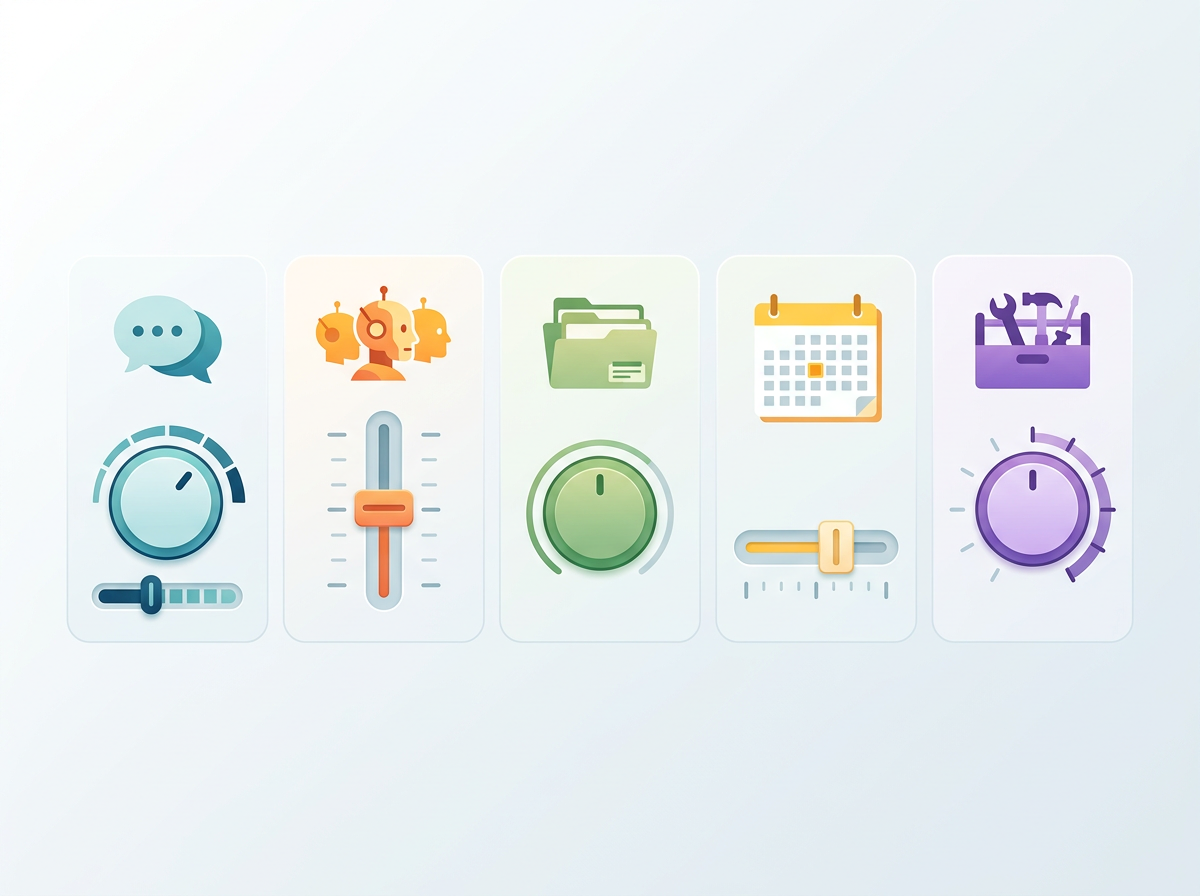
Most platforms in this category charge along the same few dimensions. Understanding them lets you compare tools that look different on the surface.
Tracked prompts
A prompt is one question a buyer might ask an AI assistant, such as "what is the best tool for X?" Each prompt is run repeatedly, so prompt count is usually the biggest cost lever. A tool that scans daily across many engines does far more work per prompt than one that checks weekly on a single engine.
Engines covered
Some plans cover ChatGPT and Perplexity only. Others add Claude, Gemini, Grok, DeepSeek, Mistral, Llama, Google AI Overviews and Google AI Mode. Your buyers may not all use the same assistant, so a narrow engine list is cheaper but gives a partial picture.
Projects, brands and markets
One brand in one country is the simplest case. Tracking a second product line, a competitor-focused view or another country and language usually means another project, and that is where costs step up.
Scan frequency
AI answers vary from run to run. A single snapshot can mislead, so daily scans that build a trend line are worth more than occasional checks. Ask any vendor how often prompts are really run.
Add-ons beyond tracking
Citation analysis, competitor share of voice, crawler logs and content creation are sometimes bundled and sometimes sold separately. A cheap tracker plus two or three separate tools can cost more than one platform that includes them.
A realistic budget for a small B2B SaaS company
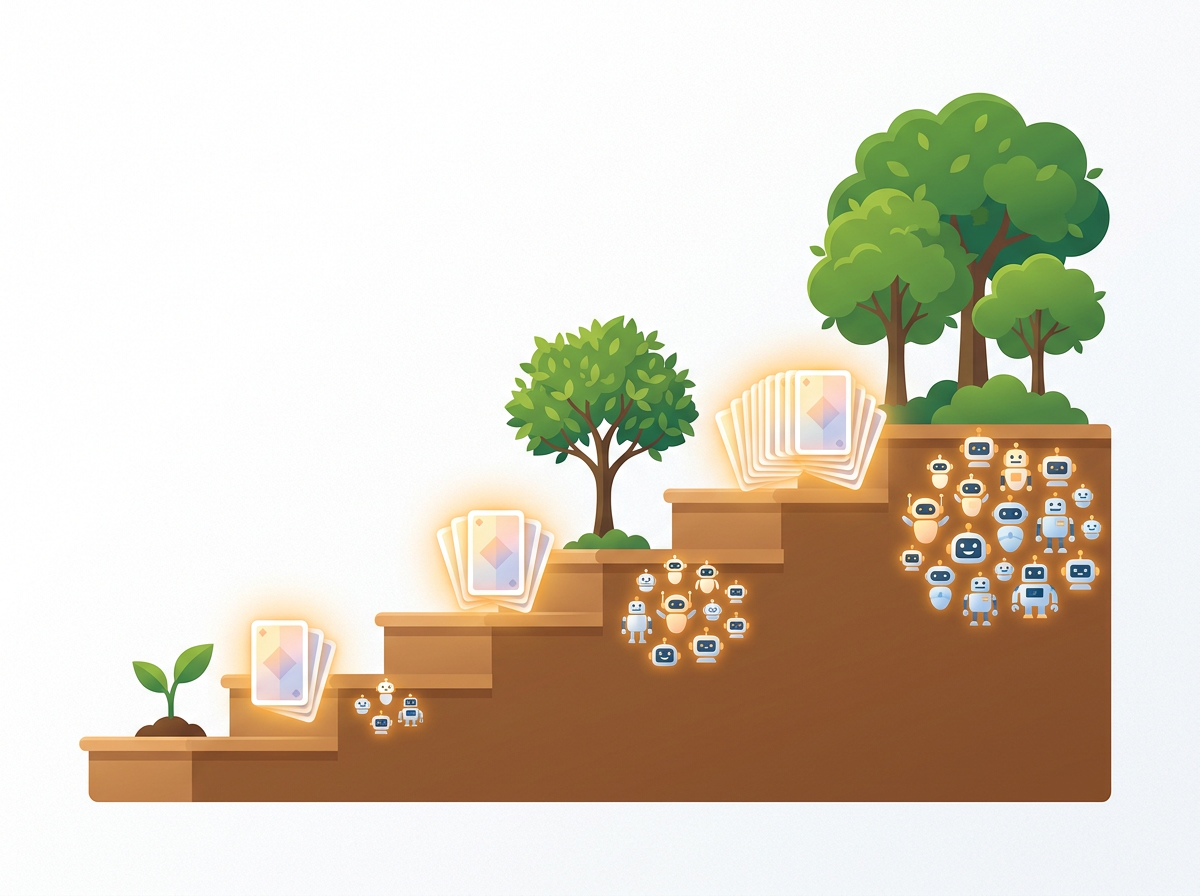
Here is a practical way to think about it, using Citeflare's published pricing as an example of how tiers map to needs. All plans start with a 7-day free trial, no card required, and annual billing saves 20%.
Stage 1: Getting a first read (about $39/month)
If you have never measured AI visibility, start small. The Starter plan covers one project, 50 tracked prompts, 3 engines and 5 articles a month. Fifty prompts is enough to cover your core category questions, your main use cases and a handful of comparison queries. On annual billing this is $468 a year.
The trade-off: Starter does not include crawler analytics, WordPress or webhook publishing, or content autopilot.
Stage 2: Tracking and acting (about $119/month)
Once you know where you stand, you will want broader coverage and a way to act on it. Growth includes 3 projects, 250 tracked prompts, all 10 engines, 30 articles a month, crawler analytics, publishing to WordPress or a webhook and content autopilot. That is $1,428 a year when billed annually.
For a SaaS team with a couple of product lines or a second market, 3 projects is often the deciding factor. Each project has its own brand, competitors, country and language.
Stage 3: Many brands or clients (about $319/month)
Agency-style needs, with 10 projects and 1,000 prompts, are rarely relevant to a single small SaaS company. They matter if you run a portfolio of products or a consultancy. See how AI search visibility works for agencies if that is you.
How to size your prompt list before you buy

Buying by prompt count without a plan leads to overspending. Build the list first.
- Category questions. The broad questions a buyer asks when exploring your space.
- Use-case questions. "How do I do X with Y?" phrased the way your customers describe their problem.
- Comparison and alternative queries. Questions that name competitors, since these often decide shortlists.
- Integration and stack questions. Common in B2B, where buyers ask what works with their existing tools.
- Pricing and evaluation questions. Buyers do ask assistants what tools cost.
For many small teams, 30 to 60 well-chosen prompts is a sensible starting point, and you can grow from there. If you want ideas on what to track, read about how to measure your visibility in AI answers. For SaaS-specific context, see AI search visibility for SaaS companies.
Hidden costs to watch for
Per-seat or per-report charges
Some tools charge for extra users or exports. Check whether your sales, content and founder stakeholders can all see the data.
Credits that run out
Credit-based pricing can look cheap until a daily scan burns through it. Confirm what happens when credits are used up.
Tracking without a way to act
A dashboard that shows you are missing from answers is only half the job. You then need content, and often a developer's time, to fix gaps. Platforms that include content agents can reduce what you would otherwise spend on separate writing tools or freelancers.
Missing crawler data
If you want to know whether AI bots can even reach your pages, you need crawler logs. Citeflare's crawler analytics is included from Growth upward. Not sure what those bots do? Read AI crawlers explained.
What you get for the money: a checklist
Before choosing any platform, compare these points side by side:
- How many prompts and engines are included at your price?
- Are scans daily, and are results stored so you can see trends?
- Can you see which sources and domains are cited in answers? Citeflare's citation analysis does this.
- Can you track competitors and compare share of voice? See competitor tracking.
- Does the tool turn findings into next steps?
- Is there a trial without a card, and can you cancel without a contract?
Is it worth the spend at small scale?
I can't promise a return, and no honest vendor can, because AI answers vary and scores are best read as trend lines rather than guarantees. What you can say is that AI assistants are a channel buyers use to build shortlists, and without tracking you have no way to see whether you are named, where, or which competitors appear instead. The cost of a starter plan is small relative to the cost of staying blind to that channel. Pair it with a modest content effort and review the trend monthly.
A sensible approach: use the free trial, load your most important prompts, and see the first scan before committing. Citeflare's setup takes about ten minutes and the first scan runs the day you sign up. You can compare the details on the pricing page and upgrade or downgrade as your needs change.
FAQ
How much does an AI visibility tracking platform cost for a small B2B SaaS company?
Expect roughly tens to a few hundred dollars per month for a small team, depending on prompts, engines and projects. Citeflare, for example, runs from $39 to $119 a month for most small SaaS needs, with annual billing saving 20%.
Do I need all engines, or are three enough?
Three engines give a useful starting read. If your buyers use a mix of assistants, or you want Google AI Overviews and AI Mode included, a plan covering all 10 engines gives a fuller picture.
How many prompts should a small SaaS track?
Many teams start with 30 to 60 prompts that cover category, use-case, comparison and integration questions, then expand once they see which ones matter.
Is there a free trial?
Yes. Every Citeflare plan starts with a 7-day free trial and no card is required. You can cancel anytime, and there are no contracts.
Can I switch plans later?
Yes. Plans can be upgraded or downgraded at any time as your prompt volume and project count change.
Are the scores guaranteed?
No. Answers vary between runs, so treat visibility scores as a trend line rather than a guarantee.