The best Scrunch AI alternative depends on what you need beyond monitoring. Profound and AthenaHQ lean enterprise, Peec AI and Otterly.AI are lighter prompt trackers, Semrush, Ahrefs Brand Radar and SE Ranking add AI tracking to an SEO suite, and Citeflare combines tracking, citation analysis, crawler logs and content publishing in one workspace. Pick by the job you need done after the data arrives, not by the length of a feature list.
This guide does not rank tools by hype or quote vendor claims. Pricing and features change often, so verify details on each vendor's site. It gives you a way to decide, a comparison by category, and the questions to ask in a trial.
Why look for a Scrunch AI alternative at all?
Teams usually look for an alternative to Scrunch AI for one of four reasons: they need different engine coverage, a different price shape, an action layer (content, not just reports), or a fit for agency work with many brands. Naming your reason first stops you from buying a dashboard that solves a problem you do not have.
Before comparing tools, write down:
- Which engines matter to your buyers. ChatGPT, Claude, Gemini, Perplexity, Google AI Overviews and AI Mode are the usual list. Some audiences also use Grok, DeepSeek, Mistral or Llama.
- How many questions you need to track. Prompt limits are the usual pricing lever.
- How many brands, countries and languages you cover.
- Whether you need to act on the data inside the same tool or can hand it to another team.
What should a brand visibility monitoring tool actually do?
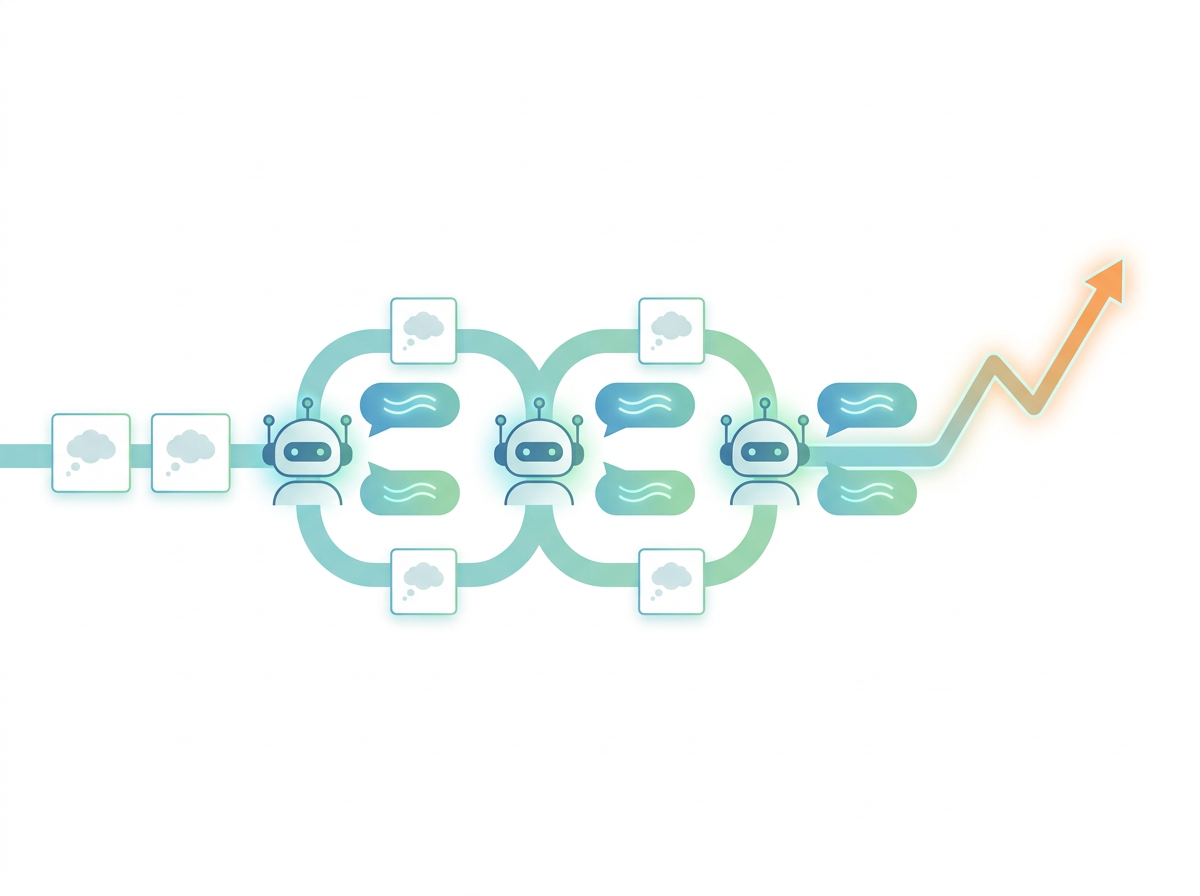
A good LLM monitoring tool runs real buyer questions on a schedule, records whether and how your brand is named, and shows the trend against competitors. Because AI answers vary between runs, a single snapshot misleads; the trend line is the useful output. For the method, see how to measure your visibility in AI answers.
Capabilities worth checking in any tool:
- Prompt tracking with daily or regular runs, ideally split by country and language.
- Mention position and sentiment, not only a yes/no mention.
- Citation analysis: which domains, Reddit threads and YouTube videos feed the answers. See how Reddit and YouTube shape AI answers.
- Competitor share of voice, so you know whether a change is yours or the market's.
- Crawler visibility, to see whether AI bots can reach your pages. Background in AI crawlers explained.
- A path to action: prioritized tasks, content drafts, publishing.
Which tools compete with Scrunch AI?
The alternatives fall into four groups. The table summarizes where each tends to sit; treat it as a starting map and confirm current features and pricing with each vendor.
| Tool | Typical fit | Where it tends to be strongest |
|---|---|---|
| Citeflare | Teams and agencies that want to track, learn and publish | Tracking, citations, crawler logs and content agents in one workspace |
| Profound | Larger brands and enterprise teams | Enterprise-scale AI visibility analytics |
| AthenaHQ | Marketing teams focused on generative engine optimization | AI visibility with optimization guidance |
| Peec AI | Lean marketing teams | Focused prompt and brand tracking |
| Otterly.AI | Small teams starting out | Straightforward brand monitoring in AI search |
| Semrush | Teams already in the Semrush suite | AI visibility next to classic SEO data |
| Ahrefs Brand Radar | Teams already in Ahrefs | Brand mentions alongside Ahrefs SEO data |
| SE Ranking | SEO teams and agencies on SE Ranking | AI tracking added to rank tracking |
| Frase, Rankability | Content-led teams | Content optimization with some AI visibility angle |
The split that matters most is standalone AI visibility platform versus add-on inside an SEO suite. Suites are convenient if you already pay for them and want AI data beside rankings. Standalone platforms usually go deeper on prompts, citations and engines. One caution that applies to both: Google rankings do not predict AI mentions, so do not assume a suite's SEO data tells you what AI says about you. For why, read how AI assistants decide which brands to recommend.
What does Citeflare offer as a Scrunch AI alternative?
Citeflare is built for teams that want to move from measurement to action without switching tools. It asks ChatGPT, Claude, Gemini, Perplexity, Grok, DeepSeek, Mistral, Llama, Google AI Overviews and Google AI Mode your buyers' questions daily, then records whether you were named, where you ranked and how that changed.
What that includes:
- Prompt tracking with country-level comparison.
- Citation analysis that classifies the domains, Reddit threads and YouTube videos shaping answers.
- Competitor share of voice across a brands-by-engines view.
- Tasks that turn scans into ranked next steps, critical gaps first.
- Content agents that draft articles from gaps and brand facts, publish to WordPress or any webhook, and refresh old pages with a diff review.
- Crawler analytics that log GPTBot, ClaudeBot, PerplexityBot and others, labelled as training, search or user bots.
- An analyst agent that answers questions in plain language from your own scans, citations and crawler logs.
How the score works: visibility is the share of completed prompt runs in the selected window where your brand is mentioned, and share of voice is your mentions divided by all mentions of you and tracked competitors. Answers come from each engine's API and vary between runs, so read scores as a trend, not a guarantee.
Setup takes about ten minutes and the first scan runs the day you sign up. Every plan has a 7-day free trial with no card required.
How much do AI visibility tools cost?
Pricing is usually driven by tracked prompts, engines and projects. Citeflare's published plans, as an example of how the levers work:
| Plan | Price (billed annually) | Projects | Prompts | Engines | Articles/month |
|---|---|---|---|---|---|
| Starter | $39/month | 1 | 50 | 3 | 5 |
| Growth | $119/month | 3 | 250 | All 10 | 30 |
| Agency | $319/month | 10 | 1,000 | All 10 | 100 |
Starter does not include WordPress or webhook publishing, content autopilot or crawler analytics; Growth and Agency do. Enterprise is available on request. For a deeper look at budgeting, see AI visibility tracking cost for small B2B SaaS teams and the full pricing page. When you compare vendors, normalize the same way: cost per tracked prompt, per engine and per project, and check which features sit behind higher tiers.
Which alternative fits which kind of team?
Match the tool to the workflow, not the brand name.
In-house SaaS or B2B team that wants to act on gaps: favor a platform that pairs tracking with content and citation data. See AI search visibility for SaaS companies.
Agency managing many clients: look at per-project structure, country and language settings, and how reporting scales. Our guide to GEO platforms for agencies managing multiple clients covers that decision in depth, and the agency solution page shows how Citeflare handles it.
Already deep in an SEO suite: the add-on from Semrush, Ahrefs or SE Ranking may be enough for a first read, with a standalone tool added when you need deeper prompt and citation work.
Small team testing the waters: a lighter tracker or a Starter-level plan is reasonable. Track a few dozen real buyer questions before scaling.
How do you test alternatives fairly?
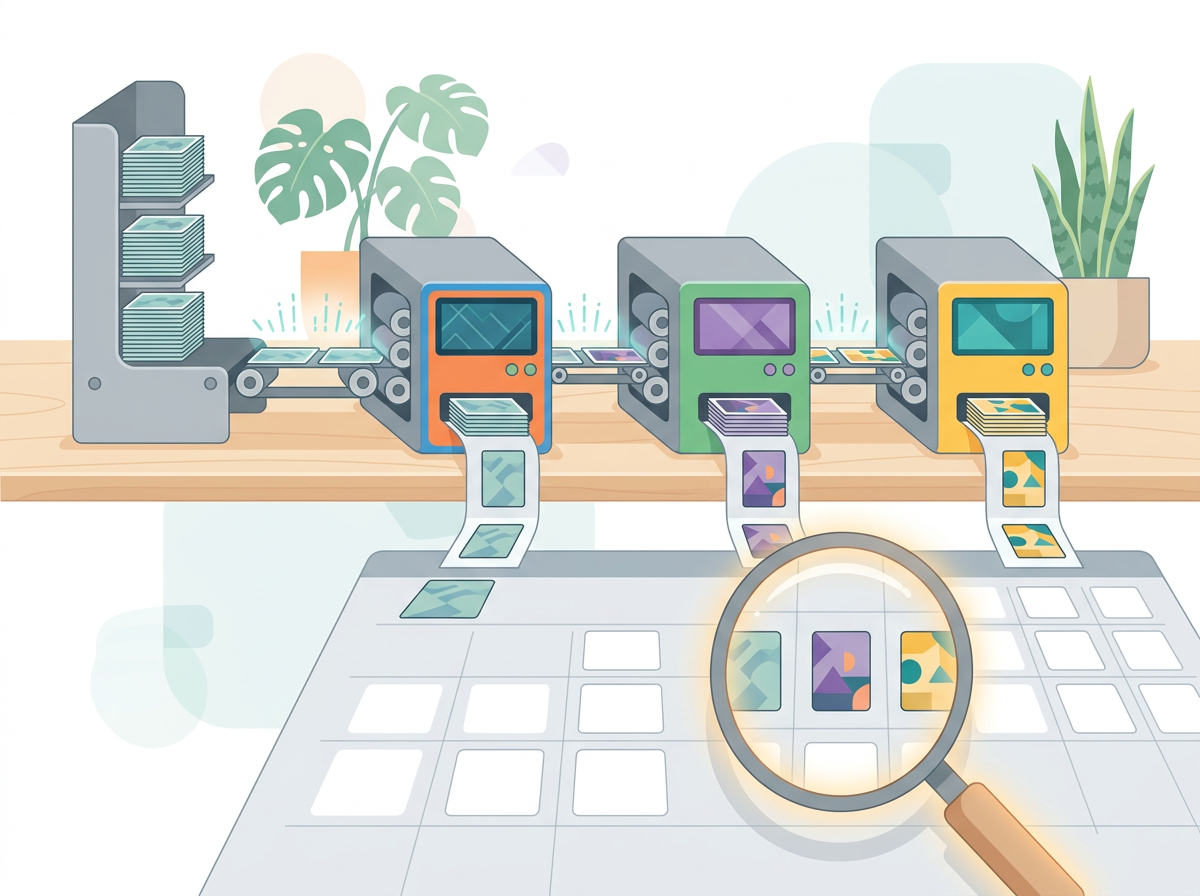
Run the same 20 to 30 buyer questions in every trial for at least a week, and compare outputs rather than feature pages. Because answers vary run to run, judge consistency across days.
Checklist:
- Do the tools agree on whether you are mentioned? If not, why?
- Can you see the full answer and the cited sources, not just a score?
- Can you filter by country and language?
- Does the tool tell you what to do next, and can it help you do it?
- Is the pricing clear at the prompt volume you need?
After measuring, the work is improving what AI can cite. Start with how to structure content so AI assistants cite it and the generative engine optimization guide.
FAQ
What is the best Scrunch AI alternative?
There is no single best option. Enterprise teams often look at Profound or AthenaHQ, lean teams at Peec AI or Otterly.AI, SEO-suite users at Semrush, Ahrefs Brand Radar or SE Ranking, and teams that want tracking plus content publishing at Citeflare.
Do I need a dedicated tool, or is my SEO suite enough?
A suite add-on can give a first read of AI mentions. A dedicated platform usually offers deeper prompt, citation and engine coverage. Since Google rankings do not predict AI mentions, a dedicated view is useful once AI becomes a real channel for you.
Are the numbers real AI answers?
In Citeflare, yes: each engine is asked your prompts through its API and the answer is stored. Answers vary, so use scores as a trend line.
Can I track multiple brands or countries?
In Citeflare, each project has its own brand, competitors, country and language. Growth includes 3 projects and Agency includes 10.
Can I try Citeflare before paying?
Yes. Every plan starts with a 7-day free trial, no card required, and you can cancel anytime.