The best tool to track whether ChatGPT and Perplexity mention your brand is one that runs a fixed set of buyer questions on both engines every day, records whether you were named and where, and shows the trend over time. Dedicated AI visibility platforms such as Otterly.AI, Peec AI, Profound, Scrunch AI and Citeflare do this; SEO suites such as Semrush, Ahrefs Brand Radar and SE Ranking add AI tracking to existing toolkits. Which one fits depends on what you want to do after you learn you are missing.
This guide takes a narrower angle than a plain list. It explains what "mentioned" really means on each engine, what to test before you pay, and how to decide between tool types. For a broader roundup that includes Claude and Gemini, see tools that track brand mentions in ChatGPT, Claude and Gemini.
What does it mean to be "mentioned" in ChatGPT and Perplexity?
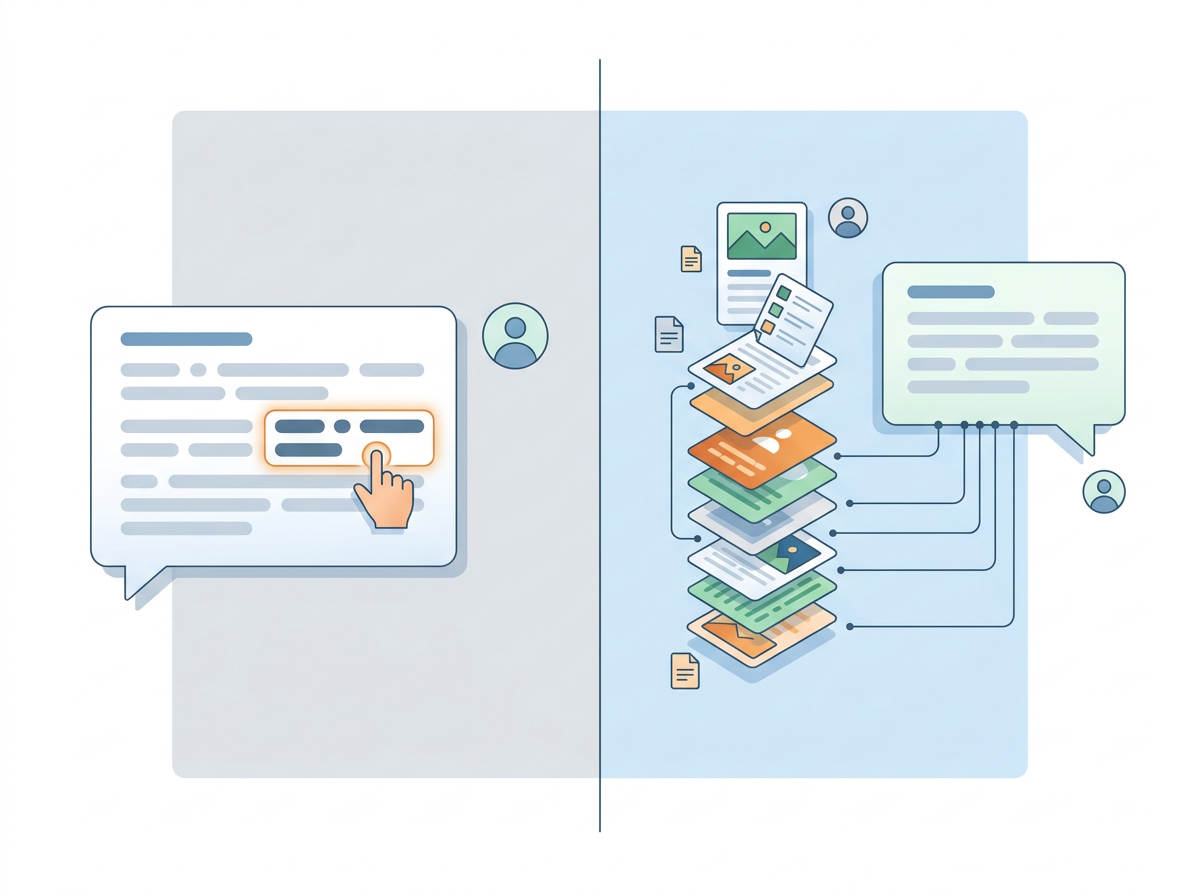
Being mentioned means your brand name appears in the text of an answer to a question a buyer might ask. That is different from being cited, which means a source page is linked as evidence. The two behave differently on each engine.
Perplexity almost always shows numbered source links next to its answer, so you can be cited without being named, or named without a link to your site. ChatGPT sometimes answers from model knowledge with no sources at all, and sometimes searches the web and shows links. A good tool therefore tracks at least three things:
- Mention: were you named in the answer?
- Position and sentiment: were you first in a list, or an afterthought, and was the tone favourable?
- Citations: which domains, Reddit threads and YouTube videos did the engine lean on?
If a tool reports only a single "visibility" number, you will know you have a problem but not why.
What should a ChatGPT and Perplexity tracker do?
A useful tracker covers six capabilities. Use them as a checklist when you compare vendors.
1. Run prompts on a schedule, not once
AI answers change between runs, so a single check proves little. Daily runs let you see a trend line instead of a snapshot. For how much variance to expect and how to read it, read are AI answer tracking scores accurate.
2. Let you choose your own prompts
Prompts should be the questions your buyers ask, such as "best CRM for a ten-person agency", not just your brand name. Branded prompts flatter you; category prompts show whether you are discovered.
3. Show competitors alongside you
A mention rate of 30% means little until you know a rival is at 60%. Look for share of voice against named competitors. We cover that in AI share of voice tools.
4. Break results down by country and language
Answers differ by market. If you sell in more than one country, check that the tool separates them and how it counts prompts per country.
5. Analyse citations
Knowing which sources feed answers tells you where to act: your own pages, review sites, Reddit or YouTube. See how Reddit and YouTube show up in AI answers.
6. Turn findings into actions
Tracking alone is a dashboard. The better tools rank gaps and help you fix them, for example with content drafts or crawler data.
Which type of tool should you choose?

| Tool type | Examples | Good for | Watch out for |
|---|---|---|---|
| Dedicated AI visibility trackers | Otterly.AI, Peec AI, Profound, Scrunch AI | Focused monitoring of mentions and citations | Often stop at reporting; check engine coverage and prompt limits |
| SEO suite add-ons | Semrush, Ahrefs Brand Radar, SE Ranking, Keyword.com | Teams already paying for the suite | AI tracking may be a module with fewer prompts or less depth |
| Tracking plus action platforms | Citeflare, AthenaHQ, Frase, Rankability | Teams that want to fix gaps, not just see them | More features to learn; confirm what is included at your tier |
| Manual checking | ChatGPT and Perplexity directly | A first read before spending money | Does not scale, and one run is not a trend |
Pricing and feature sets change often, so confirm current details on each vendor's own site rather than relying on a roundup.
How does Citeflare track ChatGPT and Perplexity?
Citeflare asks ChatGPT, Perplexity, Claude, Gemini, Grok, DeepSeek, Mistral, Llama, Google AI Overviews and Google AI Mode your tracked questions through their APIs, stores each answer and records whether you were named, in what position and with what sentiment. Prompt tracking runs daily, and you can compare visibility by country.
Around that sit the parts that make the data actionable:
- Citation analysis classifies the domains, Reddit threads and YouTube videos shaping answers.
- Competitor tracking shows share of voice across engines.
- Crawler analytics logs GPTBot, ClaudeBot, PerplexityBot and others, so you can see whether AI bots reach your pages. Background in AI crawlers explained.
- Content agents draft articles from gaps and can publish to WordPress or a webhook.
Plans start with a 7-day free trial and no card required. The pricing page lists current plans; on the Starter plan you pick three of the five core daily engines, so choose ChatGPT and Perplexity if those are your priority. Crawler analytics and publishing are on Growth and above. For budget planning, see AI visibility tracking cost for small B2B SaaS teams.
How can you check manually before buying a tool?
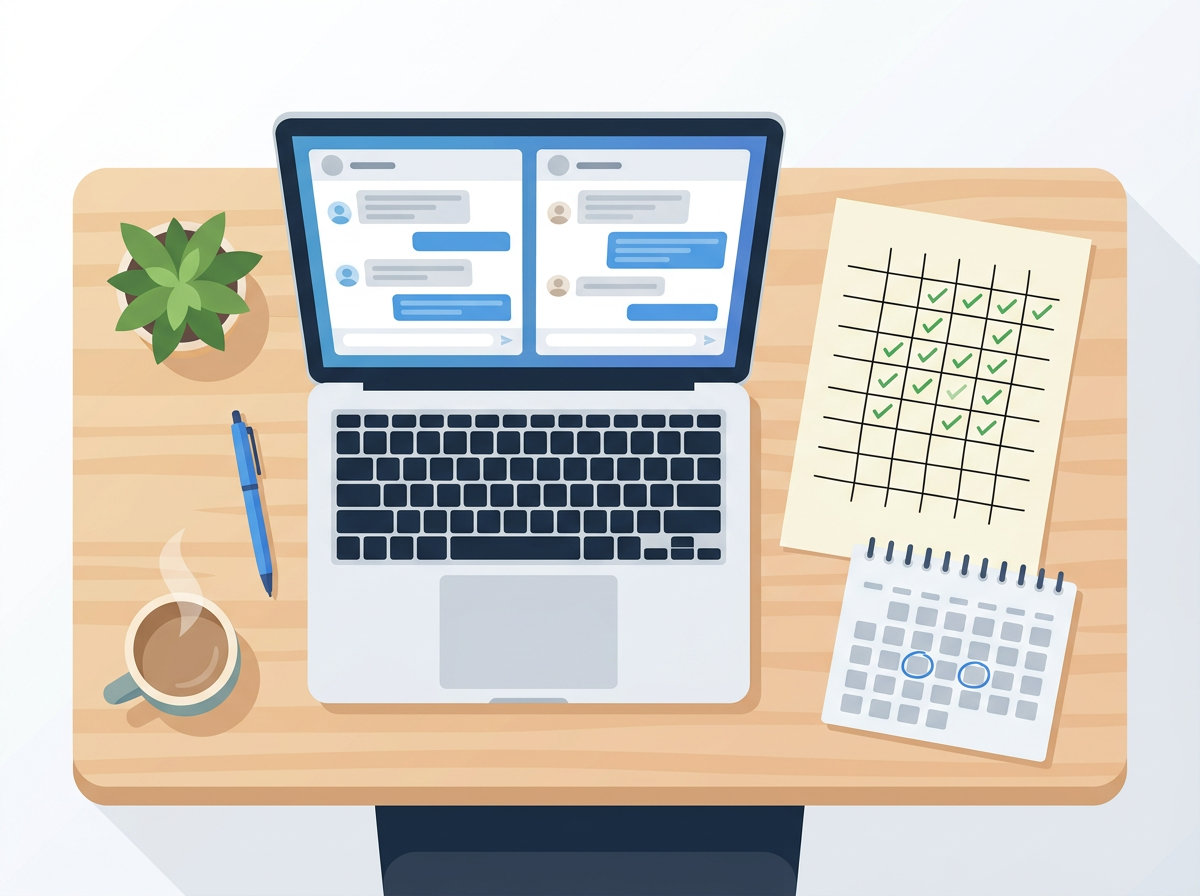
You can get a rough first read in under an hour with no software. It will not give you a trend, but it shows whether the problem exists.
- Write 10 to 20 questions a buyer would ask, mixing category questions ("best X for Y") and comparison questions ("A vs B").
- Ask each in ChatGPT and Perplexity, ideally in a logged-out or fresh session so personal history does not skew results.
- Record whether you were named, your position, and which competitors appeared.
- In Perplexity, note the cited sources; in ChatGPT, ask it to search the web if it does not by default.
- Repeat on another day and compare. If answers differ a lot, you have seen why trends matter more than snapshots.
When the sheet gets too big to maintain, that is the signal to move to a tool.
How do you test a tool before committing?
Use a trial and ask these questions:
- Can I enter my own prompts, and how are prompts counted across countries?
- Does it store the full answer text so I can read it, not just a score?
- Which engines run daily, and which run less often?
- Can I see why a competitor beats me, via citations?
- What happens after the report: tasks, content, exports?
- Can I add multiple brands or clients if I need to? Agencies can read about AI search visibility for agencies.
What do you do once you know you are missing?
Tracking is the start. Google rankings do not reliably predict AI mentions, so classic SEO reports will not explain a gap. Work from the data: find the prompts where you are absent, see which sources the engine cites instead, and publish or earn content that answers the question clearly. Our guides on how AI assistants choose brands and structuring content so it gets cited cover the next steps, and how to measure AI visibility explains the metrics.
FAQ
What is the best free way to see if ChatGPT mentions my brand?
Ask ChatGPT and Perplexity a set of buyer questions yourself and log the answers in a spreadsheet. It is free but manual, and a single run is not reliable because answers vary.
Do I need separate tools for ChatGPT and Perplexity?
No. Most dedicated AI visibility platforms cover both engines, along with others such as Gemini and Google AI Overviews. Check which engines are included at your plan level.
Is a mention the same as a citation?
No. A mention is your brand named in the answer text. A citation is a source link the engine shows. You can have one without the other, so track both.
How often should tracking run?
Daily is a good baseline because answers change between runs. Weekly can work for slow-moving categories, but you will see trends later.
Can I trust the numbers?
Treat them as a trend line, not an exact guarantee. Scores built from many daily runs are more useful than any single answer.
Can I track more than one country?
Many tools can, but they count prompts differently. In Citeflare a prompt tracked in three countries counts as three, so factor that into your plan.