AI visibility tracking tools monitor brand mentions across ChatGPT, Claude, Gemini and other assistants by running a set of buyer questions on each engine on a schedule, then recording whether your brand was named, where, and how that changes. The best-known options include Otterly.AI, Peec AI, Profound, Ahrefs Brand Radar, Semrush's AI features, SE Ranking, Scrunch AI, AthenaHQ and Citeflare. They differ mainly in which engines they cover, how they handle answer variance, and whether they help you act on what they find.
This guide explains how these tools work, how the main options compare by category, and which questions to ask before choosing one. For a deeper look at specific angles, see our pieces on share of voice tools, tracking accuracy and cost for small SaaS teams.
How do tools track brand mentions in AI search engines?

Most tools work by prompt monitoring: you supply a list of questions your buyers ask, and the tool sends each one to the AI engines, stores the full answer, and checks it for your brand and competitors. The output is usually a visibility score, a mention position, sentiment and the sources cited.
There are three common data approaches:
- API queries. The tool asks each engine through its official API and stores the response. It is repeatable and scalable, though API answers can differ slightly from what a person sees in the consumer app.
- Interface or browser simulation. The tool mimics a user in the chat interface, which can be closer to the consumer experience but is harder to run reliably.
- Log and referral analysis. Rather than asking questions, it reads server logs or analytics to see which AI bots crawl your site and which visits arrive from assistants.
No single method tells the whole story, which is why the stronger platforms combine more than one signal.
What are the main types of brand mention tracking tools?
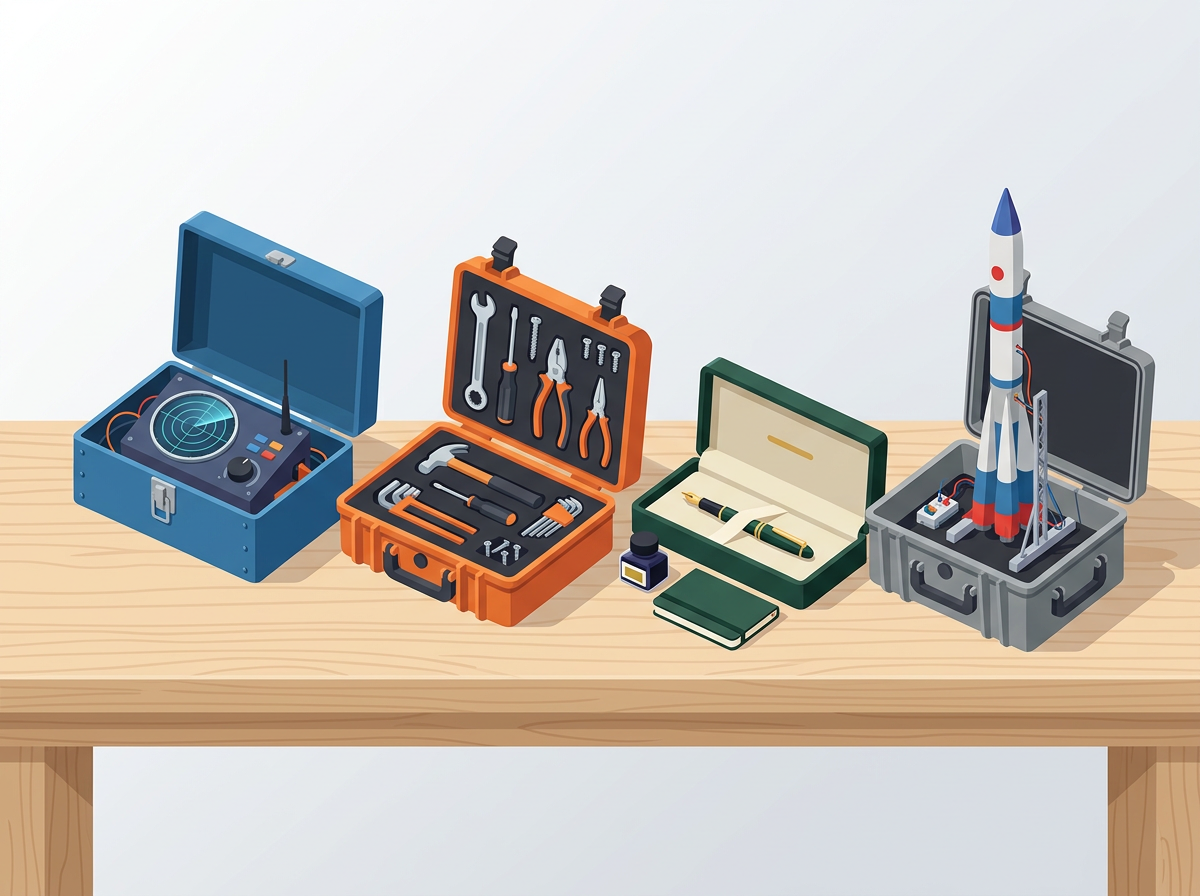
The market splits into four rough groups. The names below are examples of each, and the categories overlap.
| Category | Examples | Best for | Typical gap |
|---|---|---|---|
| Dedicated AI visibility trackers | Otterly.AI, Peec AI, Profound, Scrunch AI, AthenaHQ | Teams that want monitoring as the main job | Often stop at reporting, with less help creating content |
| SEO suites adding AI modules | Ahrefs Brand Radar, Semrush, SE Ranking, Keyword.com | Teams already living in an SEO suite | AI tracking may be an add-on with its own limits |
| Content-led platforms | Frase, Sight AI | Writers who want optimisation guidance | Monitoring can be lighter than in dedicated trackers |
| Tracking plus action platforms | Citeflare | Teams that want to track, learn and publish in one place | Newer; check engine and prompt limits against your needs |
Check each vendor's current feature and pricing pages, since this category changes quickly.
Which AI engines should a tool cover?
A useful tool covers at least ChatGPT, Gemini, Claude and Perplexity, plus Google AI Overviews and AI Mode if you care about Google's surfaces. Engine coverage varies widely, and some tools cover only a handful or put others on higher tiers.
Buyers in different markets use different assistants, so also ask about Grok, DeepSeek, Mistral and Llama. Citeflare, for example, tracks ChatGPT, Claude, Gemini, Perplexity, Grok, DeepSeek, Mistral, Llama, Google AI Overviews and Google AI Mode. On its plans, Claude is scanned weekly while the other engines are scanned daily, a detail worth looking for in any tool, because refresh rates differ between vendors.
What should you compare before choosing a tool?
Feature lists look similar, so compare the details that change what you can do.
Prompt model and limits
Ask what counts as a prompt. In some tools one question in three countries counts as three prompts. Citeflare counts it this way, so country-level tracking affects how far your allowance stretches.
Trend versus snapshot
AI answers vary between runs, so one result proves little. Look for tools that run prompts repeatedly and show trends. Our explanation of what variance means for tracking scores covers how to read the numbers sensibly.
Citation analysis
Knowing you were mentioned is less useful than knowing which sources shaped the answer. Good tools classify cited domains, Reddit threads and YouTube videos. See how citation analysis works and our note on earning a place in Reddit and YouTube answers.
Competitor benchmarking
Share of voice shows how often you appear compared with rivals. Look for a view by brand and by engine, as the picture often differs between ChatGPT and Gemini. More on this in competitor share of voice in AI search.
Crawler visibility
Most trackers only look at answers. Crawler analytics shows whether bots such as GPTBot, ClaudeBot and PerplexityBot actually reach your pages, and whether they hit errors. Few tools offer this. Read AI crawlers explained for background, and see crawler analytics for how Citeflare does it.
What happens after the report
A dashboard does not improve your visibility. Ask whether the tool turns findings into ranked tasks and whether it helps you produce or refresh content. Citeflare turns scans into prioritised tasks, drafts articles from gaps and brand facts, and can publish to WordPress or any webhook. See content agents.
Pricing and trial
Prices often depend on prompt counts, engines and projects. Citeflare plans start at $49 a month on monthly billing, with 50 tracked prompts, and Growth at $119 a month adds all ten engines, publishing and crawler analytics. Annual billing saves about 20%. See the pricing page for current details, and compare against other vendors' public pricing.
Can you track brand mentions without a paid tool?
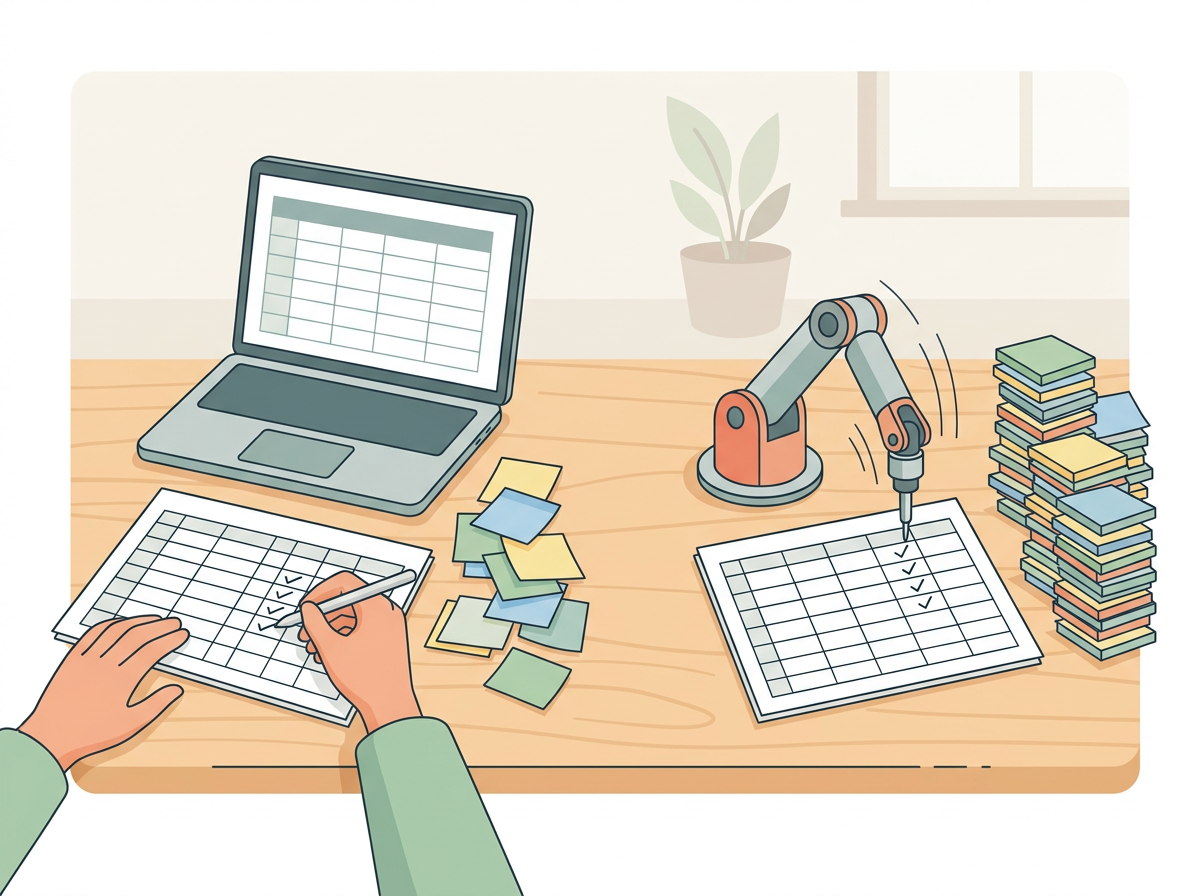
Yes, for a small sample. You can ask each assistant your buyer questions by hand and log the results in a spreadsheet. This works for a first read and costs nothing but time.
It breaks down quickly. Answers change between runs, so you need many repeats. Different countries and phrasings multiply the work, and you cannot see trends without a consistent schedule. Our guide to measuring your visibility in AI answers lays out a manual method and where automation starts to pay off.
Which tool is right for your situation?
The best choice depends on what you need to do with the data.
- You already use an SEO suite. Try its AI module first, and check engine coverage and prompt limits.
- You need monitoring and reporting only. A dedicated tracker may be enough.
- You want to track, learn and publish. Look for platforms that connect tracking, citations, crawler data and content in one workspace. Citeflare is built for this and has a guide to its platform.
- You run many clients. Check project limits and multi-brand support. See Citeflare for agencies.
- You are switching from another tool. Our Scrunch AI alternatives article compares options from that angle.
Whichever you pick, remember that Google rankings do not predict AI mentions, so treat AI answers as their own channel with their own measurement. Once you are tracking, the generative engine optimization guide and how AI assistants choose brands explain what to change.
FAQ
What is the best tool to track brand mentions in ChatGPT, Claude and Gemini?
There is no single best tool. Otterly.AI, Peec AI, Profound, Ahrefs Brand Radar, Semrush, Scrunch AI and Citeflare all monitor these engines. Choose by engine coverage, prompt limits, refresh rate and whether you need help acting on the results.
Do these tools show real AI answers?
Most ask the engines your prompts, often through APIs, and store the answers. Because answers vary between runs, treat scores as a trend line rather than a guarantee.
How often are brand mentions checked?
It varies by tool and plan. Daily scans are common for main engines, while some engines may be scanned less often. Citeflare scans nine engines daily and Claude weekly.
Can I track brand mentions in more than one country?
Many tools support it, but check how prompts are counted. In Citeflare, each project has its own brand, competitors, country and language, and a prompt tracked in three countries counts as three.
Do I need to track competitors too?
Yes. A mention rate alone lacks context. Share of voice against competitors shows whether you are gaining or losing ground in your category.
Is there a free way to try this?
You can test manually with a spreadsheet. Citeflare also offers a 7-day free trial with no card required, and the first scan runs the day you sign up.