Software that finds prompts where competitors are recommended by AI and you are not is a prompt-level competitor gap tool: you track a set of buyer questions across AI engines, record which brands each answer names, and filter for runs where a rival appears and you do not. Citeflare, Profound, Semrush, Peec AI, Otterly.AI, AthenaHQ and Scrunch AI all approach this in different ways. The differences that matter are how the prompts are chosen, how many engines are covered, and what happens after the gap is found.
What does a prompt gap actually mean?
A prompt gap is a tracked question where at least one tracked competitor is named in the AI answer and your brand is not. It is the AI-search version of a keyword gap, but it is measured on answers rather than rankings.
Two points shape how you read it:
- Answers vary between runs. One missing mention is noise; a prompt where you are absent across many days is a gap. Treat gaps as trends. For the reasoning, see are AI answer tracking scores accurate.
- Google rankings do not predict AI mentions. You can rank well for a topic and still be absent from the answer, so a gap list cannot be borrowed from your SEO reports.
What should software that finds these gaps be able to do?
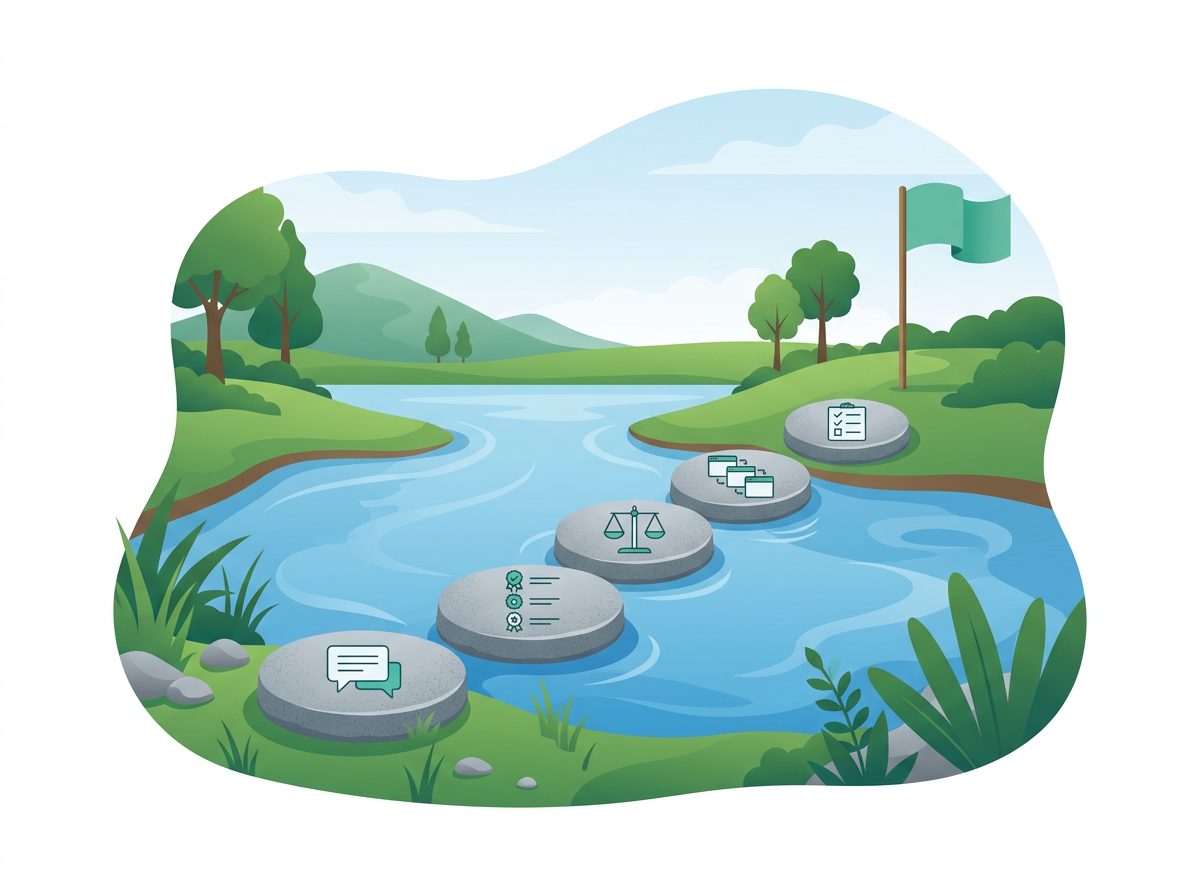
Good gap software does five things: runs real prompts on several engines, records every brand named, compares you against defined competitors, shows the sources behind the answers, and turns the result into actions. If a tool only reports an overall score, it cannot tell you which prompt to fix.
1. Run prompts on the engines your buyers use
Coverage matters because a rival can win on Perplexity and lose on ChatGPT. Citeflare scans ChatGPT, Claude, Gemini, Perplexity, Grok, DeepSeek, Mistral, Llama, Google AI Overviews and Google AI Mode. Check which engines run daily on your plan and which run less often.
2. Record the brands named per answer
The raw material for a gap is a per-answer list of mentioned brands, with position. Without it you cannot filter for "competitor named, me not."
3. Compare against named competitors
You define the rivals, and the software shows a brands-by-engines view. This is the layer that separates a gap from general visibility; our guide to AI share of voice tools covers the metric in depth.
4. Show the sources behind the answer
Knowing you are missing is half the job. Citation analysis shows which domains, Reddit threads and YouTube videos the engines draw on when they recommend a rival. That tells you where to be present. See how citation analysis works and how Reddit and YouTube earn a place in answers.
5. Turn gaps into next steps
A list of 80 gaps is not a plan. Look for ranking by severity and a route to content or outreach.
How do the main options compare?
The table compares categories of capability rather than scoring vendors, because features and plans change often. Verify each against the vendor's current pages.
| Capability | Why it matters for gap finding | How Citeflare handles it |
|---|---|---|
| Prompt-level tracking | Needed to see which question you lose | Daily runs of each tracked prompt per engine |
| Multi-engine coverage | Rivals win on different engines | Up to ten engines on higher plans |
| Competitor comparison | Defines what counts as a gap | Share of voice and brands x engines view |
| Citation sources | Shows where to act | Domains, Reddit and YouTube classified |
| Prioritised actions | Stops the list overwhelming you | Tasks with critical gaps first |
| Content creation | Closes the gap | Content agents draft and publish from gaps |
| Crawler data | Confirms bots can reach your pages | GPTBot, ClaudeBot, PerplexityBot logs |
SEO suites such as Semrush and SE Ranking add AI visibility to an existing keyword toolset, which suits teams already living there. Dedicated tools such as Profound, Peec AI, Otterly.AI, AthenaHQ and Scrunch AI centre on AI answers. For a comparison of mention trackers, see tools that track brand mentions across ChatGPT, Claude and Gemini and Scrunch AI alternatives.
What do most guides on this topic miss?
Most guides stop at the dashboard. Three things get skipped.
Where the prompts come from. A gap tool only finds gaps among prompts you give it. If your list is built from your own product vocabulary, you will miss the comparison, "best for" and problem-led questions buyers actually ask. Build the list from sales calls, support tickets, search queries and the questions your competitors' content answers.
What closing a gap requires. A mention usually follows a page that answers the question clearly, plus third-party sources the engine trusts. Read how AI assistants decide which brands to recommend and how to structure content so AI cites it.
Whether bots can read you. If AI crawlers hit errors on the pages that should answer the question, content work will not help. Crawler analytics shows this; see AI crawlers explained.
How do I find the gaps step by step?
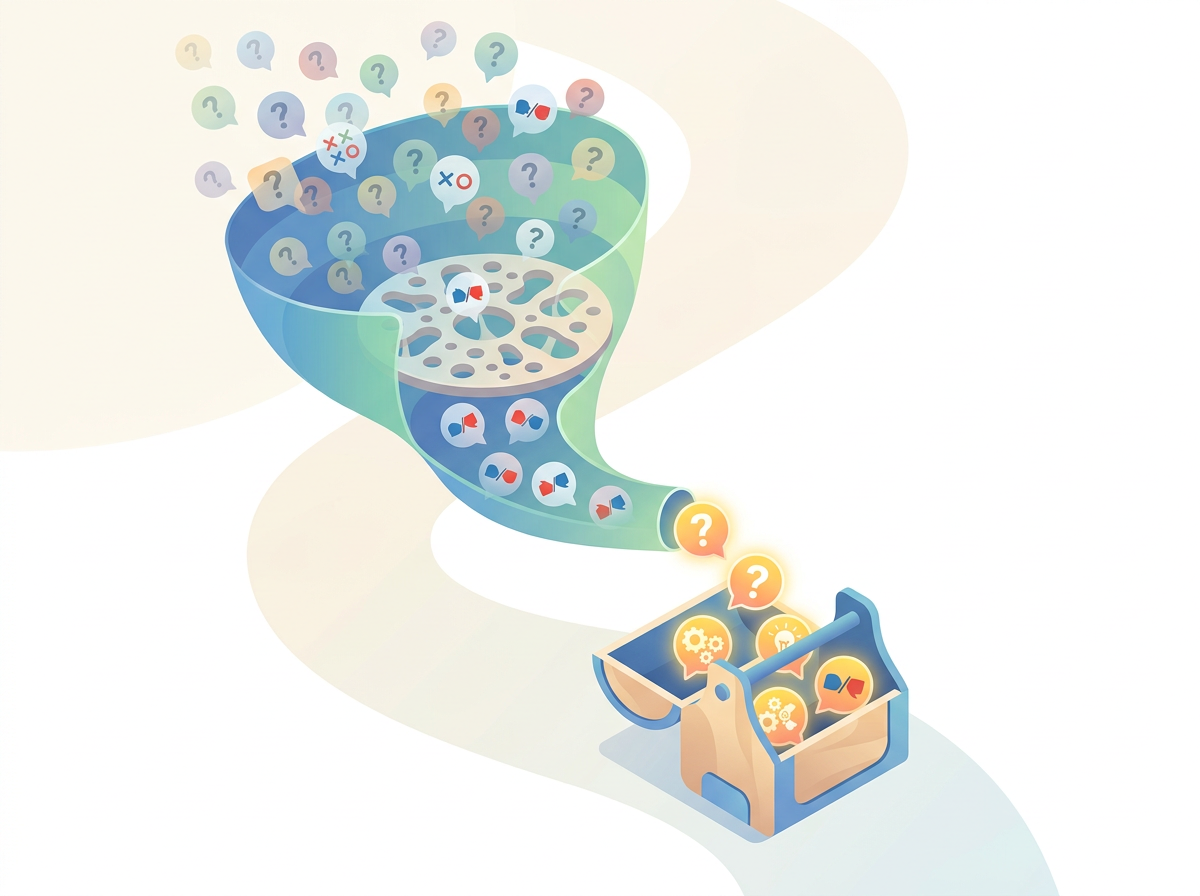
- Define the project. Set your brand, three to six real competitors, country and language.
- Load 30 to 100 buyer prompts. Mix categories: "best X for Y," "X vs Y," "alternatives to Z," and pain-point questions.
- Let it run for a week or more. Daily runs smooth out variance.
- Filter for competitor-named, you-absent. Sort by how many competitors appear and on how many engines.
- Open the citations on those answers. Note the pages and communities that keep surfacing.
- Pick the top few and act. Publish a page that answers the question directly, improve existing pages, or earn a presence on the cited sources.
- Re-measure. Judge by trend over weeks, not one run.
In Citeflare, scans turn into ranked tasks with critical gaps first, and the Citeflare agent can answer questions such as "which prompts is a competitor named and we are not?" from your own scan data. A competitor-gaps playbook is built in.
Can the software also fix the gaps?
Some can. Citeflare's content agents draft articles from a gap and your brand facts, let you review them, and publish to WordPress or any webhook, with a content calendar and diff-reviewed refreshes of old pages. Publishing and autopilot are on the Growth plan and above. Always review drafts: AI-written pages should be accurate and genuinely useful, not filler.
What will it cost?
Pricing is mainly driven by tracked prompts and engines. Citeflare's pricing page lists Starter at $49 a month (50 prompts, three daily engines, plus weekly Claude), Growth at $119 (120 prompts, all engines, publishing and crawler analytics) and Agency at $599 (300 prompts, 10 projects). A prompt counts per country, so tracking one question in three countries uses three. Each plan has a 7-day free trial. For budgeting detail, read AI visibility tracking cost for small B2B SaaS teams. See the pricing page for current figures.
FAQ
What is the quickest way to find prompts where a competitor is recommended and I am not?
Track a list of buyer questions on several AI engines with named competitors, then filter results for answers that mention a rival but not you. Do this over several days so one-off variation does not mislead you.
Can I do it manually with ChatGPT?
Yes, for a handful of prompts. It does not scale, since answers differ by run, engine, and location, and you would have no trend history. Software automates repeat runs and records mentions.
Does the tool tell me which prompts to track?
Usually you supply them. Some tools suggest prompts, but the strongest lists come from real customer language. Treat suggestions as a starting point.
Are the results exact?
No. AI answers vary, so treat scores as a trend line, not a guarantee. A persistent gap across many runs is meaningful.
How long does it take to close a gap?
It depends on the topic, the competition and how quickly engines pick up new content, so no timeline can be promised. Track weekly and judge by direction.
Do I need crawler analytics too?
It helps. If AI bots are blocked or hitting errors on the pages meant to answer a prompt, fixing access comes before writing more content.